Thursday, May 17, 2018

Why Northeastern U.S. Tornadoes Are Very Dangerous

     Recently, a major severe weather outbreak happened in the northeastern United States. In this out break, there were multiple tornadoes and five deaths. Compared to the rest of the meteorological season in the United States, there were more deaths from this one day, May 15, than any other outbreak so far. Why is it like this?
     First, the northeastern United States is a very densely populated area. Also, it is full of mountains, valleys and of course trees. These mountains can usually disrupt severe weather along with the cooler ocean waters. However, factors like the golf stream, hot spring days, and a more humid climate, the northeastern United States becomes a cooking pot for severe weather. On May 15, the weather started off with a perfect, sunny, humid, day creating instability and a false tranquility among people that the weather was good. However, by later on, the instability grew and as a result, severe weather was able to pop up. Straight line and rotational winds all toppled trees throughout roads and houses killing five people in the process. One thing in common though with all of these deaths was they were all most in vehicle and in the open. During these storms, vehicles turned out to be not good shelter at all. Actual buildings create more safety than a moving vehicle on a road full with trees on either side. However, this raises the question of why did has this been one of the most severe weather outbreaks in the U.S. this season so far?
 
Image result for tornadoes in ct

(Photo from NBC Connecticut)

  For the rest of the U.S., it has been cooler than average. Temperatures 10-20 degrees below average in April along with cooler than average temperatures continuing onto May have bought less favorable conditions for severe weather to form there. A jet stream dip in the Central United States has also not allowed for warm, moist air to flow into the central United States. Without moisture and warm, humid air from the Gulf, severe weather has been rather quiet in the Central United States. Tornadoes when they do form in the central United States are much more common  making storm shelters common to find. Less trees and more drills for tornadoes make this area of the United States be able to respond quicker to tornadoes and have less deaths.
     Overall, tornadoes in the northeast are a variety, but when they do happen, they are very dangerous. With many trees and people in one area, deaths are very possible when tornadoes strike. With the rarity as it is of Northeastern United States tornadoes, people don't expect tornadoes there. Could this severe outbreak in the Northeast have been less deadly? It probably wouldn't have been with the sheer power of the severe weather. However, precautions like heaving tornado warnings and taking shelter in the closest building/ home and not in cars can help keep people safe.

Thursday, March 22, 2018

Dry Air: The Killer to Storms

     Storm systems are often looked at for their possible precipitation totals. How strong a storm may become or where exactly it is going are often the first questions that are asked. However, the factors that go into answering these questions are the ones that are often overlooked at. One of these factors is dry air.
     When we first mention dry air, people may think of how it effects our skin, plants, and conditions we live in. It makes plants brittle and skin rough. When we look at many of our storm systems across the planet, we can find a similar comparison.  Dry air happens when the dew pint or humidity levels drop to low levels. As a result, storm systems like hurricanes, Nor'Eaters , tornadoes, and other weather phenomenons are often torn apart.
     When we look at recent Winter Storm Toby in the North East, many areas like New York City and Altoona PA got big snow totals, but other areas got little to none even with winter storm warnings issued. The reason, is not in the track, but in the dry air from a high pressure system. Any snow that went north of New York City quickly vaporized as it could not fall through dry air. The moisture gets sucked out to balance out the dry air. As a result, radar may show snow is falling in an area, but it is really only falling aloft and drying up as it falls.

Image result for winter storm toby
(A part of the Northeastern United States getting clobbered by snow)

     In history, Toby was not the only storm system to have dry air be a factor. In the 2010 Atlantic Hurricane Season, many tropical storms were unable to form or strengthen because of dry air from the Sahara Desert. Tropical storms like Gaston and Collin in this season for example had a tough time in forming because of dry air wrapped into the storm causing it to lose the moisture it had.

Image result for dry air image satellite
(Sahara Desert)
     Historically, we can also look at the Indian Ocean to explain why there are very few named storms that strike the Middle East. There, much of the land is desert. As a result, dry air will impede lots of moisture and rain will not be able to fall as much. While we did have cyclones Chapala and Megh in 2015, it is a rarity that any others will form.

Image result for cyclone chapala

(Cyclone Chapala hitting Yemen)

     Dry air is just one of many factors that have to be looked beyond the radar. It often times will becomes the difference between a lot of precipitation or none. The question will always be asked how much rain or snow we will get. However, the questions asking what needs to come together will be the ones that ultimately need to be answered to answer many others.

Tuesday, January 30, 2018

Why there isn't many battles near the equator.

     Since the beginning of humans, there has always been confrontations. However, if we look at where these have happened, there has never been that many near where it is warmest; the equator. Disease, poor soil, crazy weather, and no advancement of civilization are all reasons, but how did these come to be?
     Climate. Right around the equator, it is always above freezing and life should be very prosperous because of this. It means many of our world's species and plants are here, but it also means many of our world's diseases come from here as well. This giant list of diseases includes malaria, dengue, leprosy, tuberculosis, West Nile virus, and so many more that just prosper. When many of the European countries first set up their colonies in the 16 through 18th centuries, they at first had the upper hand with their diseases they had bought with them. However, they never were able to somewhat prosper and adjust to this climate with monsoons and scorching temperatures. Even when resources like silver were found in the Andes mountains during this time, no country ever permanently settled it because of it's distance from Europe and little importance to strategy.

Image result for monsoon season brazil
     With this unpredictable climate plague of disease, the equator seems to always be the spot to avoid. Only civilizations like the Incas have succeeded in building civilization,  but they were quickly dismayed by disease from Europe. After them, civilizations along the Equator never rose to high prominence in the world because they just could not catch up with how fast the rest of the world was advancing. They were too far behind. Monsoon seasons would often drench the soil making it hard to grow many crops native to North America and Europe. The equator may seem like a good warm spot of the world to always be, but it comes with many flaws.

Wednesday, January 3, 2018

The Mississippi Flood of 1927. Did we learn from it?

     The Mississippi River is one of the most mighty water systems in the entire world. It is the third longest river in the world behind the Amazon and the Nile. All water that flows into this water system covers over half of the land in the United States. Even though this is probably the most destructive flood of U.S. history, why does the U.S. still have very bad floods still?
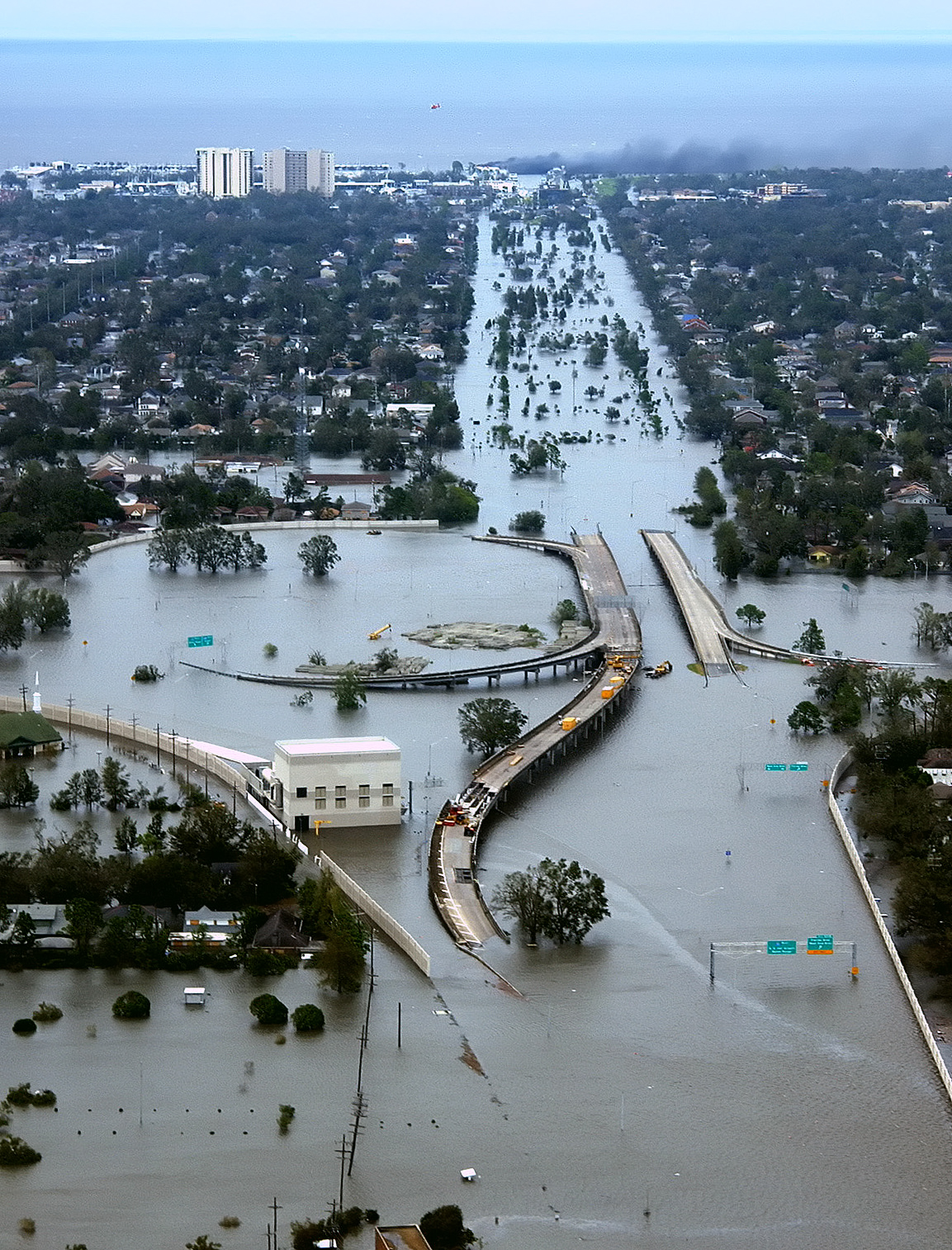
     The year 2017 saw the most expensive flood yet in U.S. history with Hurricane Harvey. The year 2016 saw devastating floods in Baton Rogue Louisiana.the year 2005 saw days of flooding in New Orleans. The year 1927 saw the most destructive flood in U.S. history along the Mississippi River.
     That year 1927 was a major glimpse of what the mighty Mississippi can do. Over 600,000 people became homeless from this flood because of how much the mighty Mississippi was relied upon. People ended up building their houses in what were the low lands of the deep south right near the Mississippi. No one was able to prevent this from happening as the deep south still at the time was not the major manufacturing center like the northern United States. Farming was still the way of life and the Mississippi water system is what kept it going.
Image result for 1927 mississippi flood
    (Cape Girardeau Missouri 1927)
     The U.S.went close to 80 years without a devastating flood like this. This may be by luck, but the U.S. figured out how to engineer levees and dams that were built to stop floods of that magnitude. However, history repeats itself, and people forget how destructive weather phenomenons like the Mississippi floods, earthquakes, or volcanic eruptions can be.
     With the 1927 Mississippi flood, the U.S. built levees in which the U.S. could to continue to live their way of life. It got slowly ignored, and the 2005 Hurricane Katrina flooding in New Orleans was a prime example of why everyone needs to be ready and alert for whatever weather phenomenon comes next. No one can ever tame mother nature, but one can lesson the impact from it.
   

Friday, December 15, 2017

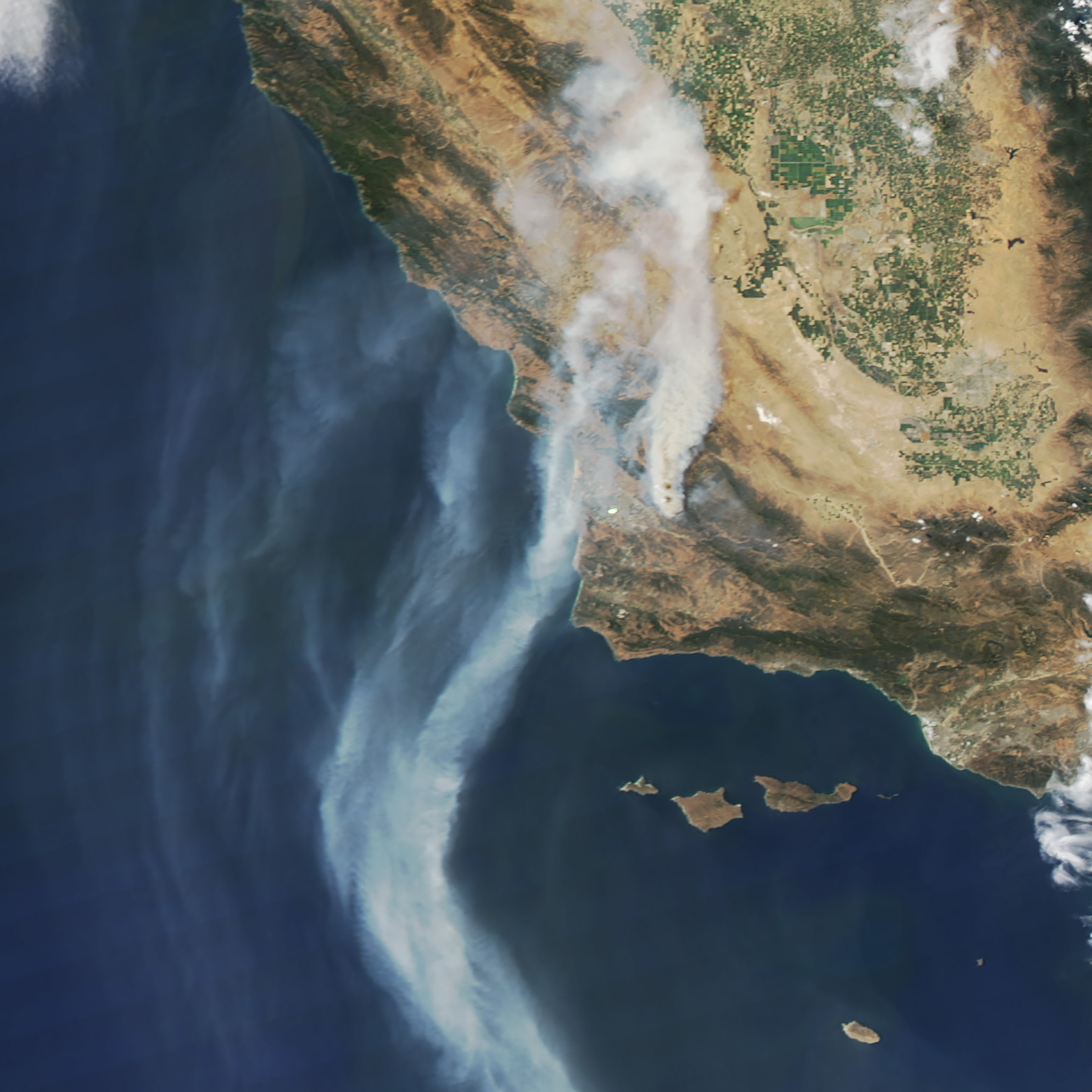
Wildfires in the Western United States, why not the East?

     Ever since people have settled in the United States, wildfires have occurred numerous times. From the Washington D.C. blaze set off by the British, to the Chicago Wildfire of 1871, wildfires and fire in general have scorched many cities, forests, and towns. However, in the present, there has been mostly wildfires in the Western United States. The East has been free of them, but the West is not. Will the West ever being scorch free like the East?
     The western part of the United States has a much lower population density for mostly everywhere except California and a few major cities like Portland Oregon or Denver Colorado. However, there is plenty of forests and infrastructure that are flammable as a result. For example, the west did not start getting settled till 1850 and wasn't a frontier until 1890. Over half of the United States' National Parks are also located here in the West along with many U.S. National Forests and State Parks. A lot of the land outside of those major cities is not settled leading to many possibilities of wildfires.

     Secondly, only in these suburban areas is where many people settled as that was the land that wasn't rugged or extreme in weather phenomenons. These wildfires can then easily start and not stop as a result with the rugged terrain of the west. It makes it difficult for these firefighters to go up and down the rolling mountains of the west to continue to stop these wildfires. Not only that, but extreme winds high up in the mountains help spread these blazes that become hard to stop. In California right now, shifting Santa Anna winds from the Pacific help spread these blazes from one area to the next.
      The obvious reason for all of this however is the drought. All of the rain that we had in California last year hasn't happened since. As a result, a lot of the vegetation in the West is more vulnerable to wildfires and when they start, they become very hard to stop.

Image result for california wildfires
   
  So why not the East then? The eastern United States with the exception of the Appalachians has a very high population density. There are forests in this part of the country, but thanks to the moisture from the Gulf of Mexico and the Atlantic Ocean, this area does not go into droughts as often. There are not as many National and State Parks because the conservation movement did not start until the West was getting settled in the early 1900s.
     The Western United States may experience these wildfires often, but the natural geography and the natural weather phenomenons of the west all have led to why the West is more vulnerable to these than the East.

Friday, December 1, 2017

Hurricanes Season 2017. Worse than 2005?

     As we closed this hurricane season out yesterday, November 30, much of the world looks back and is thankful that it is done. 3 U.S. Category 4 hurricane landfalls in 2 months which include Harvey, Irma, and Maria, 10 straight hurricanes in the Atlantic, one category 1 land falling U.S. hurricane named Nate,  a hurricane named Ophelia that disrupted Ireland and the United Kingdom, and a total of 16 named storms. However, while many people think this is the worst hurricane season ever, is it really?
Image result for hurricane katrina
     Let's look back to the year 2005. All 21 names on the hurricane list and 7 more all had to be used for this record season. It even went two months beyond the normal Atlantic hurricane season!  One major hurricane of many that caused massive devastation was hurricane Katrina. This one caused $108 billion dollars in damage and actually made U.S. landfall not once, but twice in the United States. Hurricanes Cindy, Dennis, Rita, Ophelia, and Wilma were among the other hurricanes to strike the United States that year. Wilma, had been the strongest of these with over 180 mph winds. These hurricane names for the most part retired.  However, every 6 years, this particular name cycle is bought back with some of the different and same names and 2017 just so happened to be two cycles after 2005.
Image result for hurricane harvey
(Hurricane Harvey)

     2017's hurricane season was one of the most devastating and destructive seasons on record as we know. Compared to 2005, it had 12 fewer named storms, but for about a month and a half, it had recorded 10 straight hurricanes which tied a record for longest number of hurricanes in a row. It had the hurricanes Harvey, Irma, and Maria all struck the U.S. within 3 weeks of each other. Irma, was the strongest of these with at one point close to 200 mph wind speeds! Harvey dumped over 45 inches of rain for a week in Texas, and hurricane Maria devastated the island Puerto Rico which still is in need of help to recover. Not to mention, there were other hurricanes like Nate, Jose, and Ophelia that all added damage to the U.S in Mississippi and Cape Cod, most of the Virgin Islands, Hispaniola, Central America, and Europe.
     2017 and 2005 hurricane seasons were both very costly hurricane seasons. However, 2017 proved to be more costly than 2005 with more than $200 billion dollars in damage compared to 2005 where there was $159 billion. Everyone looks at this season we just had and may say it was the worst ever, but looking back, you just can't compare. Harvey like Katrina caused massive flooding. Irma like Wilma caused massive wind damage. Cindy like Nate hitting the central Gulf coast as a category 1. Maria may have leveled Puerto Rico, but hurricanes Rita and Dennis also ravaged the U.S.
     You may be able to compare costs of hurricane seasons and say 2017 was worse than 2005. You may be able to compare sheer number of storms and say 2005 was worse than 2017. However, while these comparisons can be used, the one that counts the most is the loss of life. You can rebuild devastated areas, but you can't rebuild dead lives. For 2005 there were 3,913 deaths, but for 2017, there were only a bit above 100. 2017 may be the worst to all of us because it is in our most present memory, but we should never forget what the hurricane season of 2005 did.


Monday, June 19, 2017

Japan Weather Phenomenons: Earthquakes vs Typhoons

    For millions of years, Japan has been plagued by earthquakes and hurricanes. Just 6 years ago, one of the largest earthquakes in world history hit Japan at a 9.0 magnitude. Back in 2014, Typhoon Neoguri hit most of Japan with lots of rain, some wind, and large waves. However, if we look back in the past and in the present, you have to wonder, are the earthquakes worse for Japan or is it the typhoons?

     In the year 2017, earthquakes of magnitudes above 4.0 have been occurring almost on a daily basis in Japan. While in the U.S.A. it is a big deal to have even above a 3.0 earthquake, earthquakes around 4.0 are very common and almost felt all the time in Japan. Even though these may cause minor damage from time to time, most of the buildings in the area are built to be able to withstand earthquakes at this magnitude. However, earthquakes of big magnitude and tsunamis easily cause lots of damage. For example, in 2006, an earthquake around an 8.3 hit the Kuril Islands off Japan. It caused extensive damage not because of the earthquake itself, but the tsunami that bought large waves upwards of 30 ft near Japan's northern islands and even bought large waves to the United States in California. In 2003, another earthquake at an 8.3 magnitude hit Hokkaido Japan where it ravaged most of Japan because of the earthquake itself. There wasn't a huge tsunami like there was with the 2006 one, but it still bought 12-13 ft high waves to Japan. Earthquakes and tsunamis can be destructive, but what about the typhoons?
Image result for japan earthquake 2011

     Typhoons have hit Japan many times in the past whether it be directly or indirectly. However, many of the times, they are in weaker form from what they were further south in the Pacific Ocean. For example, Typhoon Lionrock, or to the Philippines, it is known as Typhoon Dindo, hit Japan and bought over 10 inches of rain to parts of Japan. It was in weakened form and did not cause much wind damage but lots of flooding was caused. However, Japan did get hit in 1959 by Typhoon Vera which bought 160 mph winds, 14 ft waves, and rainfall amounts over 10 inches. This typhoon was one of the few to be a super typhoon or a major hurricane to hit Japan in history as Japan is north enough to not be ravaged usually by strong, powerful super typhoons. 
     Overall, earthquakes  seem to be the most destructive to Japan rather than earthquakes. The earthquakes are much more consistent than the typhoons and every five years or so, a big earthquake causes extensive damage. However, when a big typhoon like Vera hits again, Japan needs to be prepared.