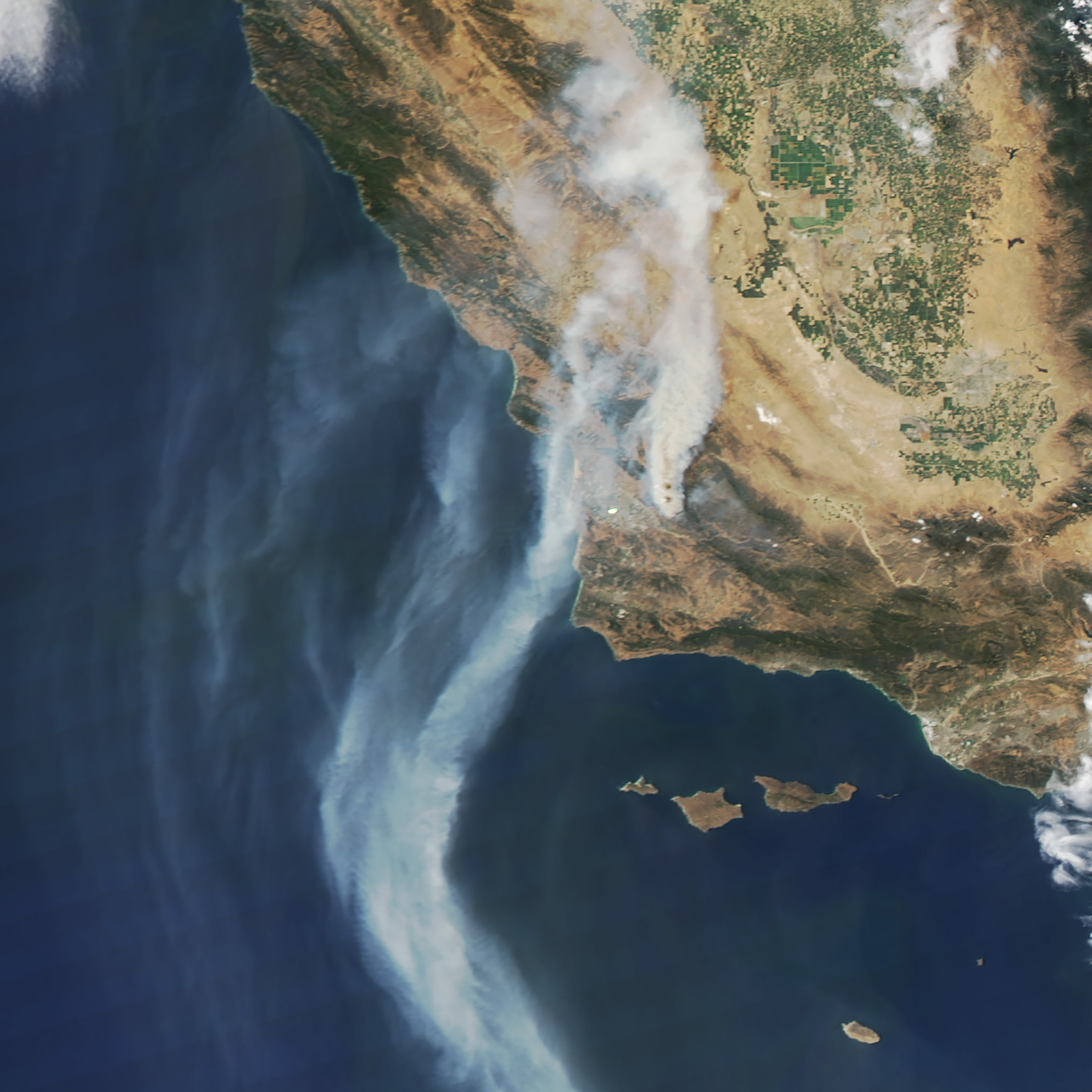
As we closed this hurricane season out yesterday, November 30, much of the world looks back and is thankful that it is done. 3 U.S. Category 4 hurricane landfalls in 2 months which include Harvey, Irma, and Maria, 10 straight hurricanes in the Atlantic, one category 1 land falling U.S. hurricane named Nate, a hurricane named Ophelia that disrupted Ireland and the United Kingdom, and a total of 16 named storms. However, while many people think this is the worst hurricane season ever, is it really?
Let's look back to the year 2005. All
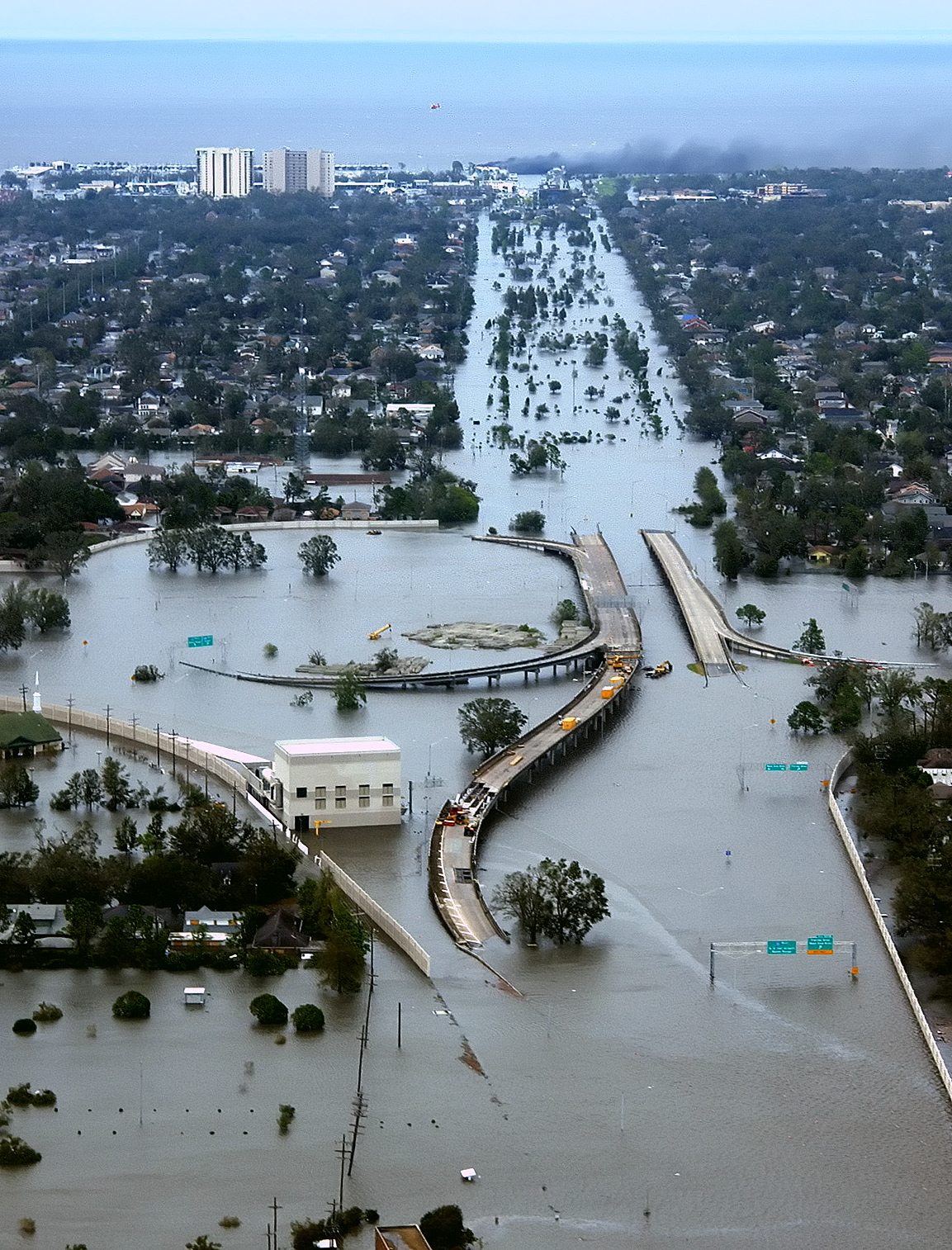
21 names on the hurricane list and 7 more all had to be used for this record season. It even went two months beyond the normal Atlantic hurricane season! One major hurricane of many that caused massive devastation was hurricane Katrina. This one caused $108 billion dollars in damage and actually made U.S. landfall not once, but twice in the United States. Hurricanes Cindy, Dennis, Rita, Ophelia, and Wilma were among the other hurricanes to strike the United States that year.
Wilma, had been the strongest of these with over 180 mph winds. These hurricane names for the most part retired. However, every 6 years, this particular name cycle is bought back with some of the different and same names and 2017 just so happened to be two cycles after 2005.
(Hurricane Harvey)
2017's hurricane season was one of the most devastating and destructive seasons on record as we know. Compared to 2005, it had 12 fewer named storms, but for about a month and a half, it had recorded 10 straight hurricanes which tied a record for longest number of hurricanes in a row. It had the hurricanes Harvey, Irma, and Maria all struck the U.S. within 3 weeks of each other. Irma, was the strongest of these with at one point close to 200 mph wind speeds! Harvey dumped over 45 inches of rain for a week in Texas, and hurricane Maria devastated the island Puerto Rico which still is in need of help to recover. Not to mention, there were other hurricanes like Nate, Jose, and Ophelia that all added damage to the U.S in Mississippi and Cape Cod, most of the Virgin Islands, Hispaniola, Central America, and Europe.
2017 and 2005 hurricane seasons were both very costly hurricane seasons. However, 2017 proved to be more costly than 2005 with more than $200 billion dollars in damage compared to 2005 where there was $159 billion. Everyone looks at this season we just had and may say it was the worst ever, but looking back, you just can't compare. Harvey like Katrina caused massive flooding. Irma like Wilma caused massive wind damage.
Cindy like Nate hitting the central Gulf coast as a category 1. Maria may have leveled Puerto Rico, but hurricanes
Rita and Dennis also ravaged the U.S.
You may be able to compare costs of hurricane seasons and say 2017 was worse than 2005. You may be able to compare sheer number of storms and say 2005 was worse than 2017. However, while these comparisons can be used, the one that counts the most is the loss of life. You can rebuild devastated areas, but you can't rebuild dead lives. For 2005 there were 3,913 deaths, but for 2017, there were only a bit above 100. 2017 may be the worst to all of us because it is in our most present memory, but we should never forget what the hurricane season of 2005 did.